
Are you unsure about which dog food to choose for your furry friend? Look no further! In this article, we will provide you with essential tips and guidance to help you make the right decision when it comes to selecting the perfect dog food for your pet. From understanding the importance of quality ingredients to considering your dog’s specific dietary needs, we have got you covered. So, sit back, relax, and let’s embark on this journey together to ensure that your beloved pet receives the nutrition they deserve.
Choosing the Right Dog Food for Your Pet
When it comes to choosing the right dog food for your furry friend, there are several factors to consider. Understanding dog nutrition and identifying your dog’s specific needs are essential in order to make the best decision for their health and well-being. Reading dog food labels and knowing the different types of dog food available on the market will also give you the knowledge you need to make an informed choice. Let’s delve deeper into each of these areas to ensure you find the perfect dog food for your beloved pet.
Factors to Consider
Before you start looking for dog food options, it’s important to consider a few key factors. The age and life stage of your dog, their breed and size, activity level, any existing health concerns, and your budget are all crucial factors to take into account.
Age and Life Stage: Puppies have different nutritional needs compared to adult or senior dogs. Depending on their age, they may require certain nutrients for proper growth and development. Understanding your dog’s life stage is the first step towards choosing the right food for them.
Breed and Size: Different breeds and sizes of dogs have varying dietary requirements. Large breeds may benefit from specific ingredients that promote joint health, while small breeds may require smaller kibble sizes for easier chewing.
Activity Level: Consider how active your dog is. Highly active or working breeds burn more calories and may need food formulated to meet their energy needs. Less active dogs, on the other hand, may require a lower-calorie diet to maintain a healthy weight.
Any Existing Health Concerns: If your dog has specific health concerns, such as allergies, a sensitive stomach, or a history of certain medical conditions, you may need to choose a dog food that addresses these issues. Consulting with your veterinarian is crucial in these cases.
Budget: Your budget is an important consideration when choosing dog food. There are options available at varying price points, so it’s essential to find one that meets your dog’s needs while also fitting into your budget.

Understanding Dog Nutrition
Understanding the essential nutrients dogs need is vital for choosing the right food. Here are the key components of a balanced dog diet:
Protein: Protein is an essential nutrient for dogs as it helps build and repair tissues, support a healthy coat and skin, and maintain a strong immune system. Look for dog foods with high-quality sources of protein, such as real meat, poultry, or fish.
Carbohydrates: Carbohydrates provide energy for your dog. Healthy carbs can come from sources like whole grains or vegetables. However, it’s important to note that dogs have a limited ability to digest carbohydrates compared to humans.
Fats: Fats are a concentrated source of energy and are necessary for the absorption of certain vitamins. Look for dog foods that contain healthy fats, such as omega-3 and omega-6 fatty acids, which promote a healthy skin and coat.
Vitamins and Minerals: Vitamins and minerals play various roles in your dog’s overall health. They support everything from strong bones and teeth to a well-functioning immune system. Look for dog foods with added vitamins and minerals to ensure your dog receives all the essential nutrients.
Water: Just like humans, dogs need access to clean, fresh water at all times. Water is vital for proper digestion, temperature regulation, and overall hydration. Make sure your dog always has access to water, especially during mealtime.

Identifying Your Dog’s Specific Needs
Understanding your dog’s specific needs based on their age, life stage, breed, and any existing health concerns will help you narrow down your options and choose the best dog food for them. Let’s take a closer look at some common categories:
Puppy: Puppies require a higher amount of nutrients compared to adult dogs because they are still growing. Look for dog foods specifically formulated for puppies to support their development.
Adult: Adult dogs have different nutritional requirements than puppies or seniors. They need a balanced diet that helps maintain their overall health and energy levels.
Senior: Older dogs may have specific dietary needs, such as joint support or reduced calorie intake. Look for senior dog foods that address these concerns and promote healthy aging.
Large Breed: Large breed dogs have higher risk factors for certain health issues, such as hip dysplasia. Choosing a dog food designed specifically for large breeds can help mitigate these risks.
Small Breed: Small breed dogs have different nutritional needs due to their smaller size. Look for dog foods that provide adequate nutrition in small kibble sizes for easier chewing.
Active or Working Breed: Highly active or working breeds may require dog food with higher protein and calorie content to support their increased energy needs.
Overweight or Obese: Dogs that are overweight or obese may benefit from a weight management diet that helps them lose weight gradually while still providing essential nutrients.
Allergic or Sensitive Stomach: If your dog has allergies or a sensitive stomach, you may need to choose a dog food that avoids common allergens or contains easily digestible ingredients. Consulting with your veterinarian can help you identify potential triggers.

Reading Dog Food Labels
Reading dog food labels can be a bit overwhelming with all the information provided. However, understanding what to look for can help you make an informed decision. Here are some key points to consider:
Understanding Ingredients List: Ingredients are listed in descending order by weight. Look for dog foods with high-quality protein sources as the first ingredient. Avoid foods with generic terms like “meat” or “by-product” without specifying the source.
Identifying High-Quality Ingredients: Look for specific named animal proteins (e.g., chicken, beef, salmon) and whole-food ingredients like fruits and vegetables. Avoid foods with excessive fillers, artificial preservatives, or artificial colors.
Avoiding Fillers and By-Products: Fillers are ingredients with minimal nutritional value, often used to bulk up the product. By-products can be lower quality and may contain organs or other parts of the animal that are less desirable. Look for dog foods without excessive fillers or by-products.
Checking Guaranteed Analysis: The guaranteed analysis provides information about the minimum levels of protein, fat, fiber, and moisture in the dog food. It can help you compare different options and choose the one that meets your dog’s specific needs.
Reviewing AAFCO Statement: The Association of American Feed Control Officials (AAFCO) sets guidelines for pet food. Look for dog foods with an AAFCO statement indicating that the food meets the minimum nutritional requirements for your dog’s life stage.
Types of Dog Food
There are several types of dog food available on the market, each with its own advantages and disadvantages. Let’s explore the most common types:
Dry Dog Food
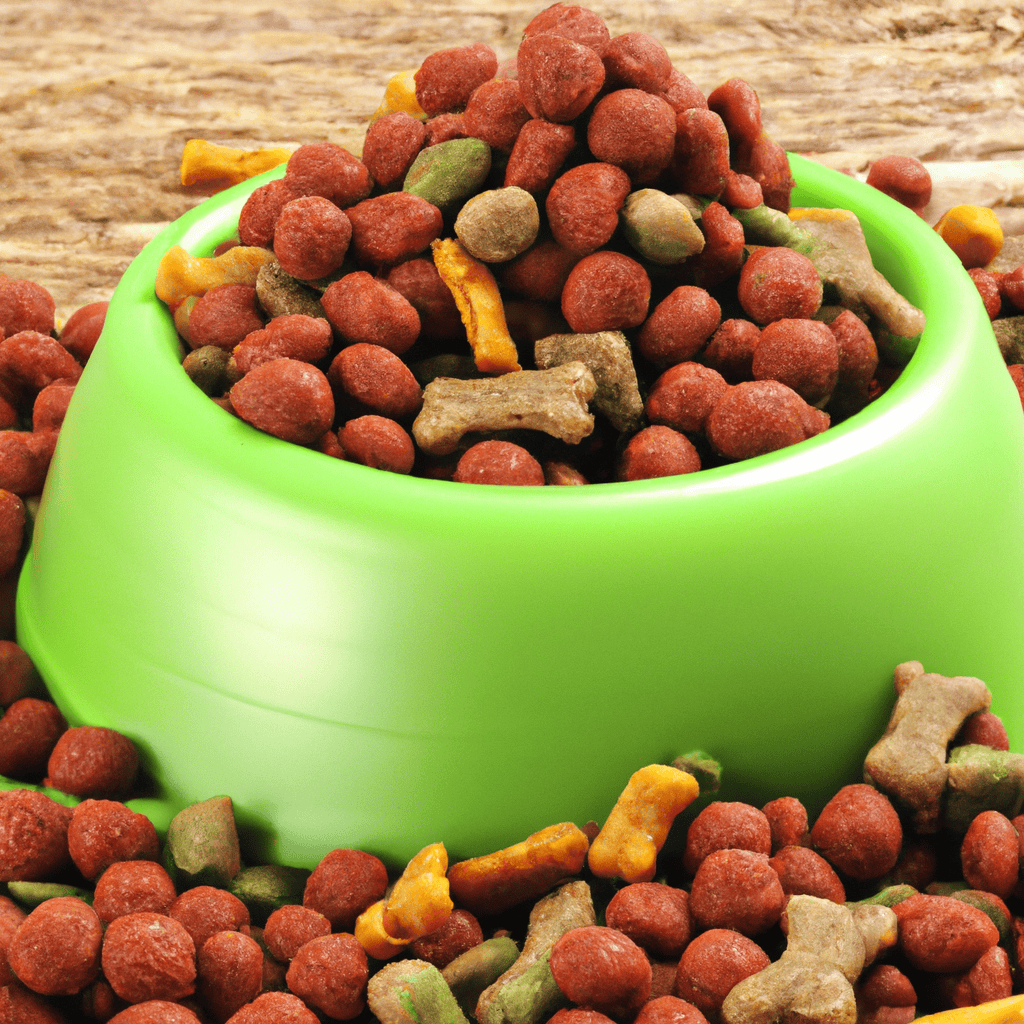
Dry dog food, also known as kibble, is the most popular type of dog food. It is convenient, has a long shelf life, and is often more affordable compared to other options. Dry dog food is also beneficial for dental health, as the chewing action helps clean their teeth and gums.
Advantages of Dry Dog Food:
- Convenient and easy to store.
- Helps maintain dental health.
- Often more affordable compared to other types.
Disadvantages of Dry Dog Food:
- May contain more preservatives and additives.
- Some dogs may find it less palatable.
- May not be suitable for dogs with dental issues or poor appetite.
Canned Dog Food
Canned dog food, also known as wet dog food, is a popular choice for dogs that prefer a moist and flavorful meal. It generally has a higher moisture content, which can help keep dogs hydrated. Canned dog food often contains high-quality ingredients and can be more appealing to picky eaters.
Advantages of Canned Dog Food:
- Moist and flavorful, appealing to picky eaters.
- Higher moisture content helps keep dogs hydrated.
- Often contains high-quality ingredients.
Disadvantages of Canned Dog Food:
- Higher cost compared to dry dog food.
- Shorter shelf life once opened.
- Can be less convenient due to larger packaging.
Semi-Moist Dog Food
Semi-moist dog food is a middle ground between dry and canned dog food. It typically comes in small individual packages and has a soft and chewy texture. This type of dog food can be convenient for travel and can be more appealing to dogs due to its texture and flavor.
Advantages of Semi-Moist Dog Food:
- Soft and chewy texture, appealing to dogs.
- Convenient individual packaging.
- Can be suitable for travel or as a treat.
Disadvantages of Semi-Moist Dog Food:
- Higher cost compared to dry dog food.
- May contain artificial colors and flavors.
- Can be less nutritionally balanced compared to other types.
Raw Food Diet
A raw food diet for dogs consists of uncooked and unprocessed ingredients, such as raw meat, bones, fruits, and vegetables. Advocates believe that a raw food diet is more biologically appropriate for dogs and provides them with essential nutrients.
Advantages of Raw Food Diet:
- May provide a more natural and biologically appropriate diet.
- Can promote dental health through chewing on bones.
- May improve coat condition and overall energy levels.
Disadvantages of Raw Food Diet:
- Requires careful handling and food safety precautions.
- May be more expensive and time-consuming to prepare.
- May not be nutritionally balanced if not properly formulated.
Homemade Dog Food
Homemade dog food involves preparing meals for your dog using fresh ingredients. It gives you complete control over what goes into their food, allowing you to tailor their meals to their specific needs. However, it’s essential to consult with a veterinarian or canine nutritionist to ensure the diet is balanced and provides all necessary nutrients.
Advantages of Homemade Dog Food:
- Provides complete control over ingredients.
- Allows tailoring of meals to your dog’s specific needs.
- Can be suitable for dogs with specific dietary requirements.
Disadvantages of Homemade Dog Food:
- Requires careful formulation to ensure nutritional balance.
- Time-consuming and requires meal planning and preparation.
- May be more expensive compared to commercial dog food.
Choosing the right type of dog food ultimately depends on your dog’s specific needs and preferences. Consider factors such as convenience, cost, ingredients, and your dog’s health requirements to make the best choice for them.
In conclusion, choosing the right dog food for your pet is a crucial decision that directly impacts their health and well-being. By considering factors such as age, breed, activity level, and any existing health concerns, you can identify your dog’s specific needs. Understanding dog nutrition and reading dog food labels will help you make an informed choice. Whether you opt for dry dog food, canned dog food, semi-moist dog food, a raw food diet, or homemade dog food, make sure it meets your dog’s requirements and provides them with a nutritionally balanced diet. Your furry friend will thank you for caring about their nutrition and overall health.


 No products in the cart.