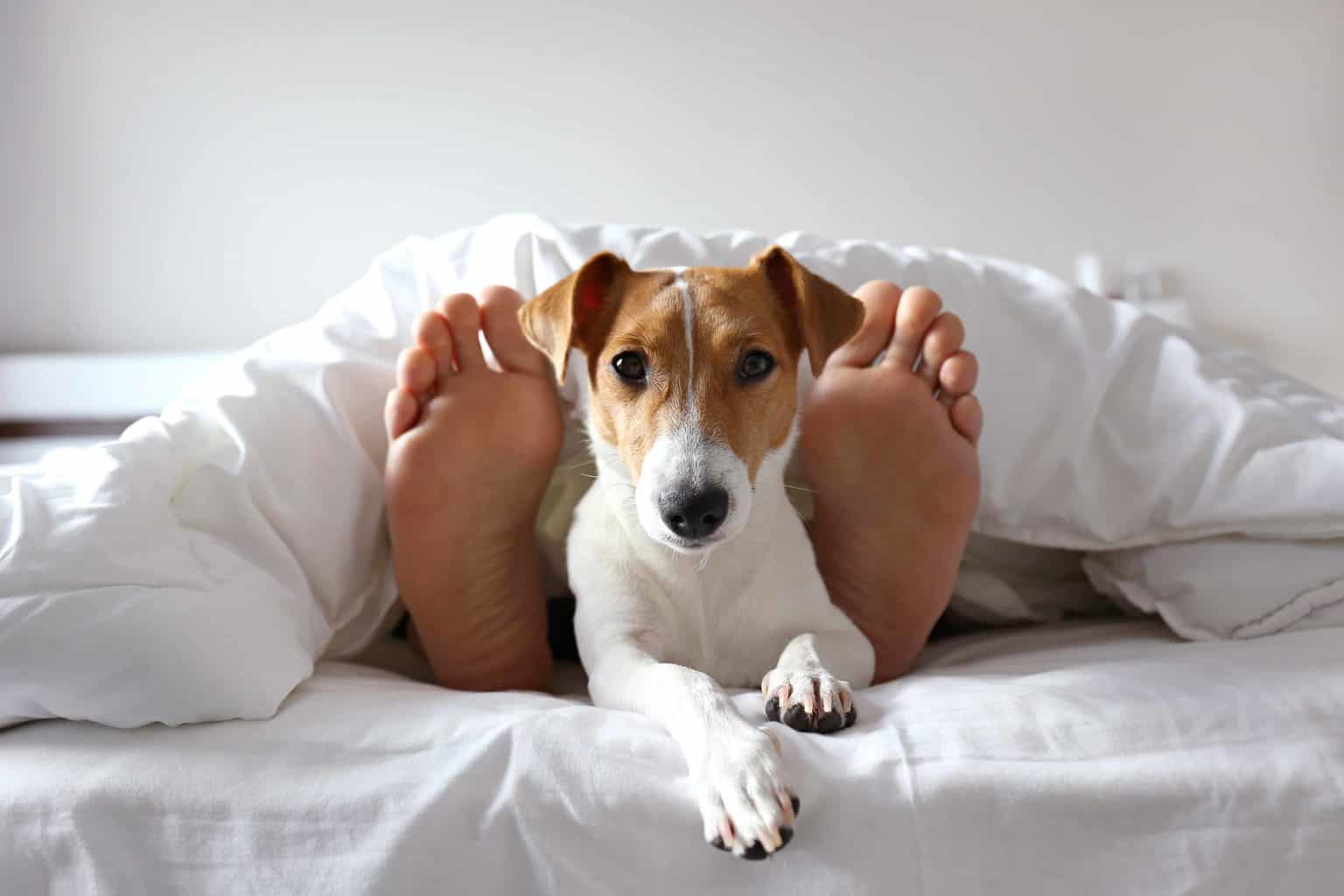
Imagine drifting off into a peaceful slumber, warm and cozy under your blankets. Now, picture your furry friend curled up next to you, sharing the same bed. If you’re a dog owner, you may be familiar with this scenario. But have you ever wondered just how many dog owners allow their beloved pets to share their sleeping space? In this article, we’ll take a closer look at the sleeping habits of dog owners and uncover the fascinating insights behind this unique bond between humans and their four-legged companions.
Sleeping Arrangements
When it comes to sharing your sleeping space with your furry companion, there are a few different options to consider. Some dog owners choose to have their dogs sleep in the same bed, while others prefer to have them sleep in the same room but not on the same surface. And of course, there are those who opt for dogs sleeping in a different room altogether. Let’s explore the benefits and drawbacks of each choice, as well as the factors that can influence these sleeping arrangements.
Dogs Sleeping in the Same Bed
For many dog owners, the idea of snuggling up with their beloved pet in the same bed is a comforting and heartwarming experience. Having your furry friend by your side can create a sense of closeness and companionship that is hard to replicate. It can strengthen the bond between you and your dog, and provide a source of comfort and security for both parties. However, it’s important to note that sharing a bed with your dog can also have its drawbacks, such as sleep disruptions and potential allergy and hygiene concerns, which we will delve into further later in this article.
Dogs Sleeping in the Same Room
If having your dog in the same bed feels a bit too crowded or uncomfortable, allowing them to sleep in the same room can be a good compromise. This way, you can still enjoy the presence and companionship of your dog without having to share your sleeping space. Many dog owners find it reassuring to have their furry friend close by, as it can help alleviate any fears or anxieties they may have during the night. Additionally, having your dog in the same room can make it easier to attend to their needs, such as letting them out for bathroom breaks or comforting them if they wake up from a nightmare.
Dogs Sleeping in a Different Room
On the other end of the spectrum, there are dog owners who prefer to have their dogs sleep in a different room altogether. This choice may be driven by various factors, such as allergies, limited space, or a desire for privacy during sleep. While it may seem like a less intimate option, there are still benefits to be had. Dogs sleeping in a different room can offer a quieter and more peaceful environment for both you and your furry friend. This arrangement can also promote better sleep quality if you or your dog is easily disturbed by movement or noise during the night.
Factors Influencing Sleeping Habits
Now that we’ve explored the different sleeping arrangements, let’s take a closer look at the various factors that can influence these choices. Understanding the factors at play can help in making an informed decision that is best suited to both you and your dog.
Size and Breed of the Dog
The size and breed of your dog can significantly impact their sleeping habits. Smaller dogs are generally more adaptable and may feel comfortable sleeping in various locations, while larger dogs may require more space and may not fit comfortably in a shared bed arrangement. Additionally, some dog breeds have specific needs or tendencies when it comes to sleep. For example, certain breeds known for their strong guarding instincts may prefer to sleep in close proximity to their owners for a sense of security.
Age and Health of the Dog
Another critical factor to consider is the age and health of your dog. Puppies, for instance, may need closer supervision during the night and could benefit from being in the same room as their owner. Older dogs, especially those with mobility issues or medical conditions, may require extra care and attention during sleep. In such cases, having them nearby can make it easier to provide any necessary assistance or medication throughout the night.
Owner’s Sleeping Preferences
Of course, your own sleeping preferences play a significant role in determining where your dog sleeps. Some individuals may have specific sleep-related needs or conditions that require them to have a separate sleeping area from their dogs. Whether it’s due to allergies, a partner’s preferences, or personal space requirements, it’s essential to consider what makes you feel most comfortable and rested during sleep.
Training and Behavior
The training and behavior of your dog can also influence the sleeping arrangements. Well-trained dogs who understand boundaries and have a designated spot to sleep in may adapt well to any chosen arrangement. However, if your dog has a tendency to be disruptive during the night, such as excessive movement or barking, you may need to establish clear sleep rules and consider alternative sleeping arrangements to ensure everyone gets a good night’s rest.
Weather Conditions
Lastly, weather conditions can impact where your dog sleeps. During hot summer nights, your furry friend may appreciate a cooler sleeping spot, such as their own bed on the floor or a dedicated space with air circulation. On the other hand, during colder months, having your dog curl up close to you can provide both warmth and comfort.

Benefits of Sleeping with Dogs
Now that we’ve considered the various sleeping arrangements and factors involved, let’s dive into the benefits of sharing your sleeping space with your canine companion.
Increased Bonding and Companionship
Sleeping with your dog can deepen the bond and companionship between you. The physical presence of your furry friend can bring a sense of comfort and security, promoting feelings of emotional closeness and connection. It can also strengthen the trust and loyalty your dog feels towards you, further enhancing your relationship.
Reduction in Anxiety and Stress
Having your dog by your side as you sleep can provide a sense of calm and relaxation, helping to reduce anxiety and stress. The rhythmic breathing and gentle presence of your pet can have a soothing effect on your nervous system, contributing to a more peaceful night’s sleep.
Improved Sleep Quality
Believe it or not, sleeping with dogs can actually improve the quality of your sleep. Many dog owners find that the presence of their pet promotes feelings of relaxation and contentment, helping them fall asleep faster and stay asleep longer. The comfort and familiarity of having your furry friend nearby can create a secure and cozy environment conducive to sound sleep.
Enhanced Sense of Security
For those who live alone or have concerns about safety during the night, having a dog by your side can provide an increased sense of security. Dogs are known for their protective instincts, and the mere presence of a vigilant companion can help ease any fears or worries, allowing you to sleep more peacefully.
Drawbacks of Sleeping with Dogs
While there are numerous benefits to sharing your bed or room with your dog, it’s important to consider the potential drawbacks and challenges that may arise.
Sleep Disruptions
One of the most prominent drawbacks of sleeping with dogs is the potential for sleep disruptions. Dogs may move around, snore, scratch themselves, or even wake up during the night, disturbing your sleep. If you are a light sleeper or prone to sleep disturbances, this could significantly impact your sleep quality and leave you feeling tired and groggy during the day.
Allergies and Hygiene Concerns
For those with allergies, sleeping with dogs can pose challenges. Pet dander, saliva, and fur can trigger allergies and exacerbate symptoms, leading to respiratory issues and discomfort during sleep. Additionally, dogs can bring dirt and outdoor allergens into your bed, requiring extra cleaning and maintenance to ensure a hygienic sleeping environment.
Aggravation of Existing Sleep-Related Issues
If you already struggle with certain sleep-related issues like insomnia or sleep apnea, sharing your bed with a dog may worsen these conditions. The presence of another living being in your sleeping space can create additional disturbances and hinder your ability to achieve the restorative sleep your body needs.
Limited Space and Disturbed Sleep Movements
Sharing your bed with a dog, especially a larger breed, can restrict your own sleeping space and limit your freedom of movement. Dogs may sprawl out, hog blankets, or even push you off the bed unintentionally. If you value having ample space to stretch out or tend to move a lot during sleep, this arrangement may not be the most conducive to a good night’s rest.

Tips for Better Sleep with Dogs
If you decide to share your sleeping space with your dog, there are various strategies and tips to help ensure that you both have a comfortable and restful night. Consider implementing these tips to optimize your sleep experience with your canine companion.
Creating a Comfortable Sleeping Environment
To promote better sleep with your dog, it’s essential to create a comfortable and inviting sleeping environment. Invest in a high-quality dog bed or cushion that provides adequate support and comfort for your furry friend. Additionally, ensure that your own sleeping surface, whether bed or mattress, is suitable for your needs and preferences.
Establishing a Bedtime Routine for Dogs
Creating a consistent bedtime routine for your dog can help signal to them that it’s time to wind down and prepare for sleep. Incorporate calming activities such as a short walk, gentle grooming, or a quiet play session to help relax your dog before bedtime.
Addressing Sleep Disruptions
If your dog’s movements or behaviors are causing sleep disruptions, consider providing them with their own designated sleeping area within your room or near your bed. This can help alleviate disturbances while still allowing for the companionship and comfort of having them close by. Additionally, providing your dog with stimulating toys or puzzles during the day can help tire them out, resulting in a more peaceful night’s sleep.
Considering Alternative Sleeping Arrangements
If sharing your bed or room with your dog becomes too challenging or disruptive, it may be worth exploring alternative sleeping arrangements. This could involve providing your dog with a separate sleeping space in another room or investing in a pet gate to create a designated area within your bedroom. Remember, what works best for you and your dog may require some experimentation and flexibility.
Implications for Dog Owners’ Sleep
It’s important to recognize the potential impact that sharing your sleeping space with your dog can have on your own sleep health and well-being.
Impact on Sleep Duration and Quality
Studies have indicated that some dog owners who share their beds or rooms with their pets may experience shorter sleep duration and lower sleep quality compared to those who sleep alone. The presence of a dog can introduce disturbances and interruptions in sleep, affecting the overall amount and quality of rest obtained.
Effect on Sleep-Related Disorders
For individuals with sleep-related disorders, such as sleep apnea or insomnia, sharing a bed with a dog may exacerbate these conditions. The disruptions caused by a dog’s movements or noises can disrupt the sleep patterns necessary for managing sleep disorders effectively.
Association with Daytime Fatigue and Sleepiness
Sleep disruptions caused by sharing a bed with a dog can lead to daytime fatigue and sleepiness. This can have a significant impact on daily functioning, affecting concentration, productivity, and overall well-being. It’s important to monitor your sleep quality and address any concerns that may arise.

Sleeping Habits and Health Outcomes
Several research studies have explored the potential relationship between sleeping habits and various health outcomes.
Relationship between Sleeping Habits and Health
Research suggests that sleep duration and quality play a crucial role in overall health and well-being. Getting adequate, restful sleep is associated with a lower risk of various health conditions, including obesity, diabetes, and cardiovascular problems.
Effect on Allergy and Asthma Development
While there is no conclusive evidence to suggest that sharing a bed with a dog directly leads to allergies or asthma, individuals who are already prone to these conditions may experience increased symptoms or sensitivity. It’s important to consider your own health history and consult with a healthcare provider if you have concerns regarding allergies or asthma.
Influence on Mental and Emotional Well-being
Sleep has a profound impact on mental and emotional well-being. Good sleep is linked to improved mood regulation, reduced risk of mental health disorders, and enhanced cognitive functioning. Sleeping with dogs can provide emotional support and companionship, contributing positively to overall mental well-being.
Sleeping Habits and Cardiovascular Health
Research has also shown a potential connection between sleep habits and cardiovascular health. Poor sleep quality and duration may increase the risk of developing cardiovascular diseases such as hypertension and heart disease. It’s important to prioritize healthy sleep habits and address any concerns that may impact your cardiovascular well-being.
Finding the Right Balance
Finding the right balance between your own sleep needs and the companionship of your dog is essential for ensuring a restful night for both of you. Here are some tips to aid in achieving this balance:
Understanding Individual Needs and Preferences
Take the time to understand both your needs and those of your dog. Reflect on your sleep preferences, health concerns, and reasons for wanting to share your sleeping space. Consider your dog’s breed, behavior, and physical condition, as well as their own sleep preferences. By understanding these factors, you can make an informed decision that accommodates both your needs.
Seeking Professional Advice
If you have concerns about the impact of sharing your sleep space with your dog, consider seeking professional advice. Consult with a veterinarian to address any health-related concerns or questions you may have. Additionally, talking to a sleep specialist or healthcare provider can provide insight and guidance on how to optimize your sleep environment and address any sleep-related issues that arise.
Compromising for Better Sleep
Remember that compromise may be necessary to find a sleeping arrangement that works best for you and your dog. This may involve adjusting the sleeping surface, introducing a designated sleeping area within your room, or exploring alternative sleeping arrangements to minimize disruptions and ensure better sleep for both you and your furry friend.
Making Adjustments as Needed
Be open to making adjustments and reassessing your sleeping arrangements as needed. Our preferences and needs can change over time, as can our dogs’ behaviors and health conditions. Regularly evaluate your sleep quality and overall well-being, and be willing to make changes that will help you achieve optimal restfulness.

Conclusion
The decision of whether to allow your dog to sleep in your bed, share your room, or sleep in a different room is a highly personal one. It should take into consideration factors such as size and breed of the dog, age and health of the dog, owner’s sleeping preferences, training and behavior, and weather conditions. Sharing your sleeping space with your dog can have numerous benefits, including increased bonding, reduced anxiety and stress, improved sleep quality, and enhanced sense of security. However, it is important to be aware of the potential drawbacks, such as sleep disruptions, allergies and hygiene concerns, aggravation of existing sleep-related issues, and limited space. By creating a comfortable sleeping environment, establishing a bedtime routine, addressing sleep disruptions, and considering alternative sleeping arrangements, you can maximize the positive aspects of sharing your sleep space with your dog while minimizing the potential challenges. Ultimately, finding the right balance between your sleep needs and the companionship of your furry friend is crucial for overall well-being and a good night’s rest.



 No products in the cart.