

Dog owners know that the safety and well-being of our furry friends is of utmost importance. That’s why choosing the best dog muzzle for your beloved pets is a crucial decision. Not only does it ensure the safety of others, but it also protects your dog from potential harm. In this article, we will explore the world of pet care products and guide you through the process of selecting the perfect dog muzzle for your loyal companions. Whether you’re looking for a muzzle to prevent biting or to help with training, we’ve got you covered.

Factors to Consider When Choosing a Dog Muzzle
Having a well-fitted and comfortable muzzle for your dog is important for their safety and the safety of those around them. When choosing a dog muzzle, there are several factors you should take into consideration to ensure you make the right choice.
Materials
One of the first factors to consider is the material of the muzzle. Different materials offer different levels of comfort and durability. Common materials include nylon, leather, and metal. Nylon muzzles are lightweight and easy to clean, while leather muzzles provide a more classic look and may be more comfortable for your dog. Metal muzzles, such as those made of stainless steel, are extremely durable but may be heavier and less breathable.
Fit and Comfort
A proper fit is crucial when it comes to choosing a dog muzzle. The muzzle should be snug enough to prevent your dog from biting or eating things they shouldn’t, but it should also allow them to pant, drink, and move their mouth comfortably. It’s essential to measure your dog’s snout accurately and choose a muzzle size that corresponds to their measurements. Many muzzles come in different sizes, so you can find one that fits your dog perfectly.
Breathability
Another important factor to consider is breathability. Dogs regulate their body temperature by panting, so it’s crucial to choose a muzzle that allows for proper airflow. Look for muzzles with breathable materials or ones that have ventilation holes. This will ensure that your dog stays cool and comfortable, even while wearing the muzzle.
Adjustability
Some dogs may require a muzzle that can be adjusted to their specific needs. If you have a puppy or a dog whose snout size may change over time, an adjustable muzzle may be a good option. Adjustable muzzles allow you to customize the fit to ensure your dog’s comfort and safety. They often have straps or buckles that make it easy to adjust the size as needed.
Safety Features
When choosing a dog muzzle, it’s essential to consider any additional safety features that may be included. Some muzzles have extra straps or padding to prevent rubbing or chafing. Others may have quick-release buckles or additional attachments to ensure the muzzle stays securely in place. These safety features can provide peace of mind and help ensure that your dog is safe and comfortable while wearing the muzzle.
Types of Dog Muzzles
There are various types of dog muzzles available, each designed for different purposes. Understanding the different types will help you choose the right one for your dog’s needs.
Basket Muzzles
Basket muzzles are one of the most common types of muzzles and are often recommended by trainers and veterinarians. They are made of wire or plastic and allow your dog to pant, drink, and even take treats through the gaps in the basket. Basket muzzles provide excellent ventilation and are suitable for longer periods of wear.
Soft Muzzles
Soft muzzles, also known as fabric or mesh muzzles, are made of lightweight materials such as nylon or mesh. They are often used for short periods, such as during grooming or vet visits. Soft muzzles are less restrictive and allow your dog to breathe and drink water, but they may not be as durable as other types.
Plastic Muzzles
Plastic muzzles are typically made of hard plastic and offer a lightweight and durable option. They provide a good level of ventilation and can be easily cleaned. Plastic muzzles may not be suitable for dogs who are prone to chewing or aggressive behavior.
Bite-resistant Muzzles
Bite-resistant muzzles are designed to be extra strong and durable, specifically for dogs with a history of aggressive behavior. They are often made of reinforced materials, such as leather or metal, to prevent biting through the muzzle. These muzzles can provide an added layer of safety and security for both your dog and those around them.
Anti-barking Muzzles
Anti-barking muzzles, also known as bark control muzzles, are designed to prevent your dog from barking excessively. They usually have a small opening or mesh panel that allows your dog to pant, drink, and receive treats. Anti-barking muzzles can be useful for training purposes or in situations where excessive barking is not appropriate.
Top 5 Dog Muzzles on the Market
With so many options available, it can be challenging to choose the right dog muzzle for your furry friend. To help narrow down your choices, here are five top-rated dog muzzles on the market:
1. Company X Basket Muzzle
The Company X Basket Muzzle is a highly recommended option for its durability and comfortable fit. It is made of high-quality wire or plastic, allowing for proper ventilation and panting. The basket design ensures your dog can drink and even receive treats while wearing the muzzle. It also features adjustable straps for a customizable fit.
2. Company Y Soft Muzzle
If you’re looking for a lightweight and breathable option, the Company Y Soft Muzzle is a great choice. It is made of soft and comfortable fabric materials, such as nylon or mesh, and provides a high level of comfort for your dog. The adjustable straps allow for a secure fit, and the muzzle is easy to put on and take off.
3. Company Z Plastic Muzzle
Company Z offers a reliable and durable plastic muzzle that is suitable for various breeds and sizes. It is lightweight and allows for proper ventilation while preventing your dog from biting or eating unwanted items. The plastic material is easy to clean and maintain, making it a practical choice for daily use.
4. Company A Bite-resistant Muzzle
For dogs with aggressive tendencies, the Company A Bite-resistant Muzzle offers exceptional protection and safety. It is constructed with reinforced materials, such as leather or metal, to prevent biting through the muzzle. This type of muzzle is commonly used by professional trainers and handlers working with aggressive dogs.
5. Company B Anti-barking Muzzle
If excessive barking is a concern, the Company B Anti-barking Muzzle is a valuable tool for training purposes. It features a small opening or mesh panel that allows your dog to pant, drink, and receive treats without being able to bark excessively. The muzzle is lightweight and comfortable, making it suitable for daily wear.
Training Your Dog to Wear a Muzzle
Introducing a muzzle to your dog can be a gradual process that requires patience and positive reinforcement. Here are some tips for training your dog to wear a muzzle:
Positive Reinforcement
Use treats, praise, and rewards to associate the muzzle with positive experiences. Reward your dog for showing any signs of acceptance or tolerance towards the muzzle. Gradually increase the duration of wearing the muzzle while reinforcing positive behavior with rewards.
Desensitization
Familiarize your dog with the muzzle by allowing them to sniff and explore it in a safe and controlled environment. Let them associate the muzzle with pleasant experiences by gradually introducing it during playtime or mealtime. This helps to reduce any fear or anxiety they may have towards the muzzle.
Gradual Introduction
Start by having your dog wear the muzzle for short periods of time, such as a few minutes, and gradually increase the duration over days or weeks. Monitor your dog’s behavior and comfort level during each session. If your dog shows signs of distress or discomfort, take a step back and progress more slowly.
Patience and Persistence
Training your dog to wear a muzzle may take time and patience. Be consistent with your training sessions and provide reassurance and encouragement to your dog throughout the process. Remember that every dog is different, and it’s important to tailor the training to their individual needs and comfort level.
How to Properly Fit a Dog Muzzle
Ensuring the proper fit of a dog muzzle is essential to its effectiveness and your dog’s comfort. Follow these steps to fit a muzzle correctly:
Measurements
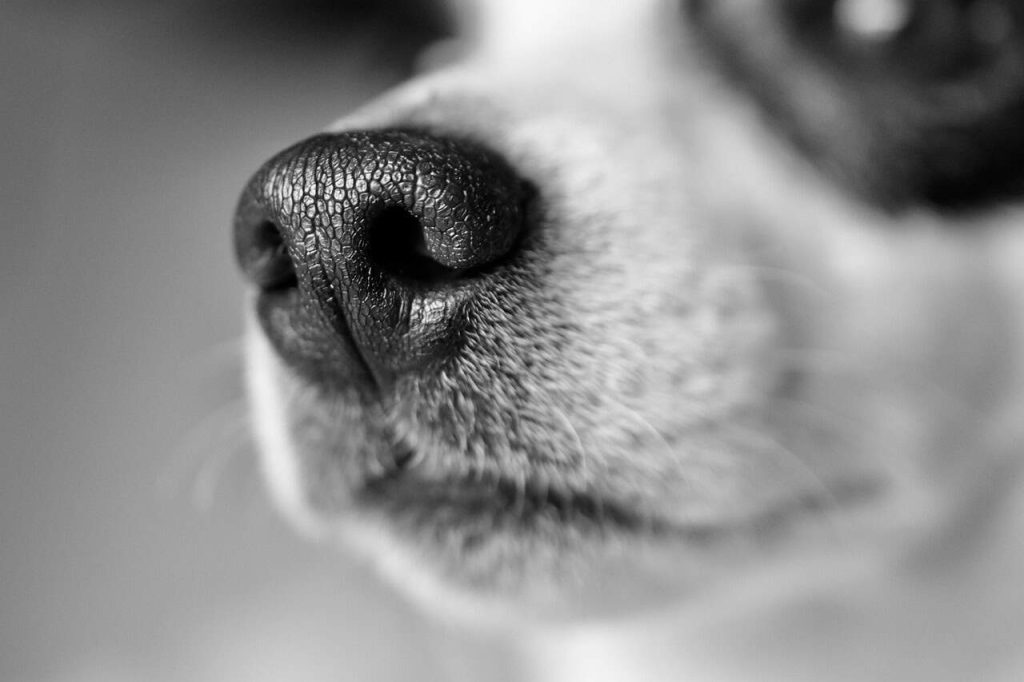
Measure your dog’s snout circumference and length using a flexible tape measure. Start from the base of the snout, just below the eyes, and wrap the tape measure around the snout, ending at the same spot. Record these measurements for reference when choosing the appropriate muzzle size.
Testing the Fit
Once you have selected a muzzle size based on your measurements, place the muzzle over your dog’s snout. The muzzle should fit snugly without being too tight or too loose. Make sure there is enough space for your dog to open their mouth slightly to pant and drink. Check that the muzzle does not obstruct your dog’s vision or impede their comfort.
Adjustments
Most muzzles come with adjustable straps or buckles that allow you to customize the fit. Adjust the straps to ensure a comfortable and secure fit. Avoid over-tightening the straps, as this can cause discomfort or restrict your dog’s breathing. Regularly check the fit of the muzzle and make any necessary adjustments to ensure it remains secure but comfortable for your dog.
Caring for Your Dog’s Muzzle
Proper care and maintenance of your dog’s muzzle are important to ensure its longevity and hygiene. Here are some tips on caring for your dog’s muzzle:
Cleaning
Regularly clean your dog’s muzzle to remove any dirt, debris, or bacteria that may accumulate over time. Follow the manufacturer’s instructions for cleaning or use a mild detergent with warm water. Rinse the muzzle thoroughly and allow it to dry completely before reusing it. Avoid using harsh chemicals or abrasive materials that could damage the muzzle.
Storage
When not in use, store the muzzle in a clean and dry place to prevent it from becoming dirty or damaged. Avoid storing the muzzle in extreme temperatures or areas with high humidity, as this can affect its durability and comfort. Consider using a breathable storage bag or container to protect the muzzle from dust or other environmental factors.
Replacing When Worn or Damaged
Inspect your dog’s muzzle regularly for signs of wear and tear, such as frayed straps or broken buckles. If you notice any damage, it is important to replace the muzzle as soon as possible to ensure your dog’s safety. Even with proper care, muzzles may eventually wear out due to regular use, so it is important to monitor their condition and replace them when necessary.
Common Misconceptions About Dog Muzzles
There are several misconceptions surrounding dog muzzles that need to be addressed:
Muzzles Are Only for Aggressive Dogs
Contrary to popular belief, muzzles are not only for aggressive dogs. Muzzles can be used for a variety of reasons, such as preventing your dog from eating harmful objects, reducing excessive barking, or providing a sense of security during stressful situations. Muzzles can be a helpful tool for any dog, regardless of their temperament.
Muzzles Are Cruel and Restrictive
When used correctly and with positive reinforcement, muzzles are not cruel or restrictive. Muzzles are designed to ensure the safety of your dog and those around them. They allow your dog to pant, drink, and receive treats while providing a secure barrier. With proper training and supervision, muzzles can be an effective and humane solution for certain situations.
Muzzles Are a Last Resort
Muzzles should not be viewed as a last resort. They can be used as a preventive measure to protect your dog from potential harm or to manage certain behaviors. It is important to consider your dog’s individual needs and the specific situation before using a muzzle. By implementing proper training techniques and gradually introducing the muzzle, you can help your dog become comfortable and accepting of wearing one.
Conclusion
Choosing the right dog muzzle requires careful consideration of factors such as materials, fit and comfort, breathability, adjustability, and safety features. Understanding the different types of muzzles and their purposes can help you make an informed decision. Training your dog to wear a muzzle involves positive reinforcement, desensitization, gradual introduction, and patience. Proper fitting and care of the muzzle are crucial for your dog’s safety and comfort. By debunking common misconceptions, we can promote the responsible use of muzzles as a beneficial tool in dog care. Remember to consult with professionals or trainers if you have any specific concerns or questions regarding your dog’s needs.


 No products in the cart.